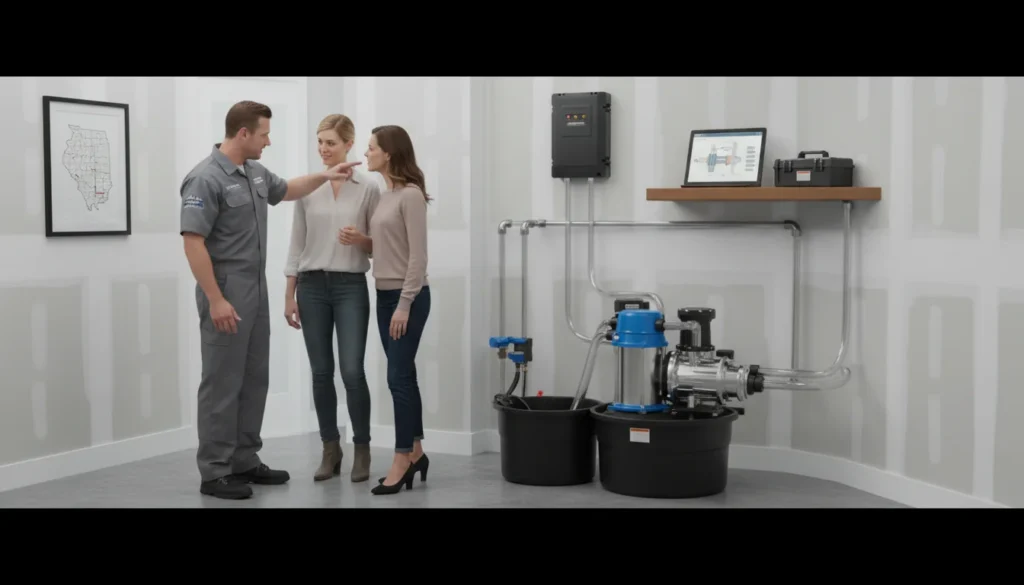
In Naperville homes, where spring storms and heavy rains often lead to power outages, selecting and installing a battery backup sump pump is essential for flood protection. Opt for a model with at least 1/2 horsepower primary pump compatibility, a deep-cycle marine battery, and automatic switching features. Installation involves placing the backup unit next to your primary sump pump, connecting it to a dedicated battery charger, and testing the system regularly. This setup ensures continuous operation during blackouts, safeguarding your basement from water damage common in our DuPage County area.
Why Battery Backup Sump Pumps Are Crucial for Naperville Homes
Naperville, with its proximity to the DuPage River and frequent thunderstorms, experiences significant flooding risks. According to local weather data, the area sees over 40 inches of annual rainfall, much of it in intense bursts that overwhelm standard sump pumps during power failures. A battery backup sump pump kicks in seamlessly when electricity cuts out, pumping water at rates up to 2,600 gallons per hour on battery power alone.
Local homeowners in Naperville neighborhoods like White Eagle and Cress Creek report basement flooding during outages from storms like the 2023 derecho event. Without backup, primary pumps fail, leading to costly repairs averaging $5,000-$15,000. Investing in a reliable battery backup not only prevents this but also boosts property value in our flood-prone region.
Key Factors to Consider When Choosing a Battery Backup Sump Pump
Selecting the right battery backup sump pump requires evaluating several factors tailored to Naperville’s wet climate. Start with capacity: Match it to your primary pump’s lift height and flow rate. For typical Naperville basements (8-10 feet deep), choose systems handling 10-20 feet of vertical lift.
Battery Type: Deep-cycle marine or AGM batteries last 5-7 years and provide 4-12 hours of runtime, depending on water inflow. Avoid car batteries, as they drain quickly.
Runtime and Controller Features: Look for alarms for low battery or high water, automatic charging, and runtime indicators. Premium models like Zoeller Aquanot or Basement Watchdog offer app connectivity for remote monitoring.
Compatibility: Ensure it pairs with your existing submersible sump pump repair needs. Check discharge pipe size (usually 1.5 inches) and controller voltage (12V DC).
| Feature | Budget Option | Premium Option |
|---|---|---|
| Runtime | 4-6 hours | 10+ hours |
| Price | $400-$600 | $800-$1,200 |
| Alarm | Basic audible | Wi-Fi enabled |
| Battery Life | 3-5 years | 7+ years |
Consider local power reliability; ComEd reports frequent outages here. Brands like Liberty Pumps excel in high-water scenarios, while Wayne offers affordability.
Tools and Materials Needed for Installation
Before starting, gather these essentials:
- Battery backup sump pump kit
- Deep-cycle battery (Group 27 or 31)
- Check valve for discharge pipe
- 1.5-inch PVC pipe and fittings
- Battery charger (included in most kits)
- Wire nuts, silicone sealant, and pipe cement
- Tools: Drill, hacksaw, level, multimeter
Safety first: Wear gloves, eye protection, and ensure the main power is off. In Naperville, check local codes via the city’s building department for permits if modifying electrical.
Step-by-Step Installation Guide
Installing a battery backup sump pump takes 2-4 hours for DIYers. Follow these steps precisely:
Step 1: Prepare the Sump Pit
Turn off power to the primary pump. Remove the lid and clean the pit. Measure depth; ensure space for the backup float switch without interference.
Step 2: Mount the Backup Pump
Position the backup pump vertically beside the primary. Secure with brackets if provided. Connect the backup’s discharge to the main line using a Y-fitting and check valve to prevent backflow.
Step 3: Install the Controller and Wiring
Mount the controller nearby (dry area, 3-5 feet above pit). Wire the primary pump’s power leads through the controller for automatic switching. Connect battery leads—red to positive, black to negative.
Step 4: Connect the Battery Charger
Plug the charger into a GFCI outlet. Test charging; LEDs should indicate full charge within 24-48 hours.
Step 5: Test the System
Fill the pit with water to activate floats. Simulate outage by unplugging AC power—backup should engage within 3 seconds. Time runtime and check for leaks. Schedule a professional sump pump performance testing for verification.
For complex setups, like integrating with basement waterproofing consultation, consult experts.
Maintenance Tips for Longevity
Monthly checks: Inspect battery electrolyte (if flooded type), clean terminals, test runtime by simulating outage. Replace battery every 3-5 years or per indicator. In Naperville’s humid summers, ensure ventilation to prevent corrosion.
Winter prep: Use insulated battery boxes. Annually, flush the system and lubricate check valves. Track usage via controller logs to predict failures.
Common Mistakes to Avoid
Undersized battery: Leads to premature shutdown. Improper float positioning: Causes false triggers. Skipping check valves allows siphoning. Not testing post-install results in surprises during storms.
Overlooking electrical: Use dedicated circuits to avoid overloads. In Naperville, hard freezes can crack pipes—insulate exposed lines.
Cost Breakdown and ROI
Initial cost: $500-$1,500 including battery. Annual maintenance: $50-100. ROI: Prevents $10,000+ flood damage. Local incentives via DuPage County may apply for flood mitigation.
Homeowners report 100% uptime during outages, with systems lasting 10+ years.
When to Call Professionals
If your primary pump needs submersible sump pump repair or the pit requires excavation, contact Naperville Sump Pump Pros at (630) 348-9189. We handle installations compliant with local codes.
Leave a Reply