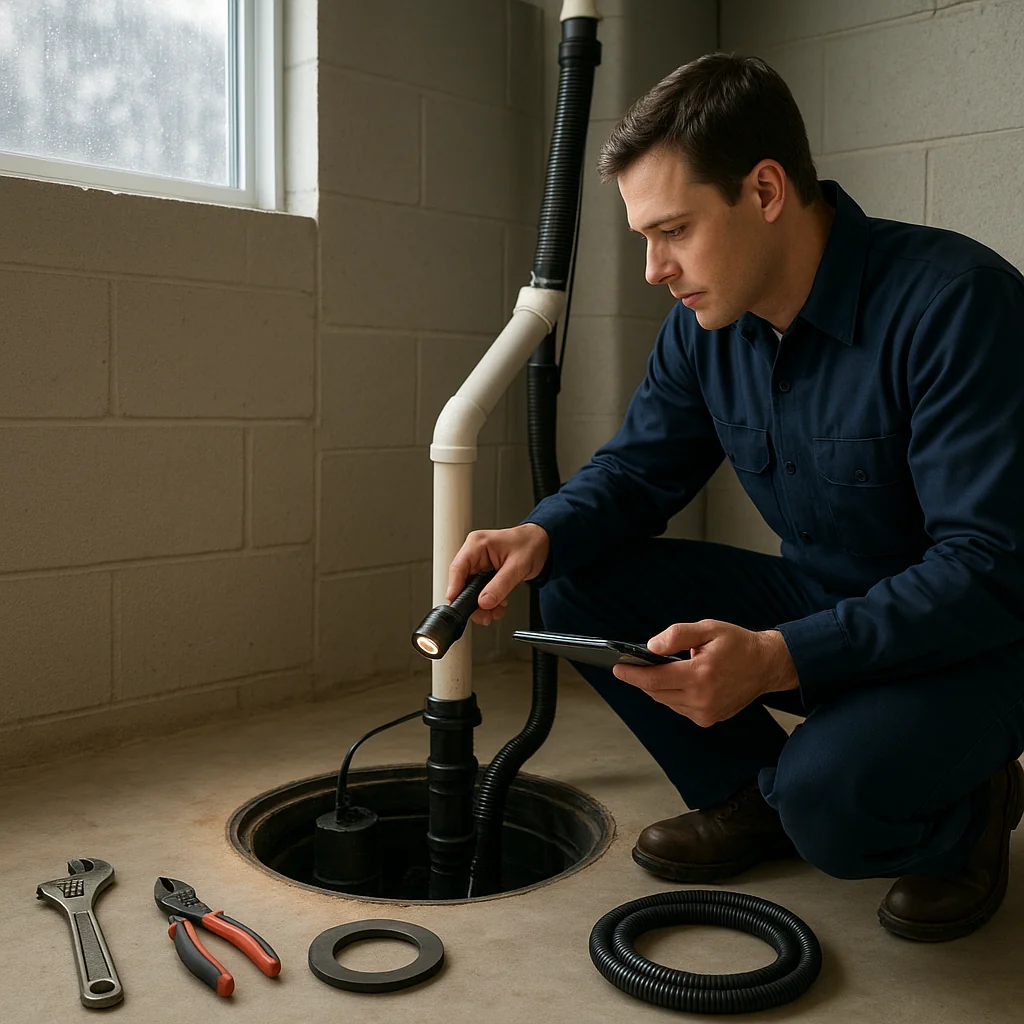
As spring showers intensify in Naperville, IL, your sump pump stands as the first line of defense against basement flooding and water damage. To ensure it’s ready, perform this essential maintenance checklist: inspect for cracks and wear, clean the pit and impeller, test the float switch and backup battery, check the discharge pipe, and verify the check valve. Regular upkeep now prevents costly submersible sump pump repair later, keeping your home dry during heavy downpours typical of the DuPage County area.
Why Spring Maintenance Matters for Naperville Homes
Naperville’s spring weather is notorious for sudden, heavy rainstorms fueled by the thawing ground and increased precipitation from Lake Michigan influences. According to local meteorological data, April and May often see over 4 inches of rain monthly, leading to saturated soils and overwhelmed drainage systems. In Naperville, where many homes feature basements below grade, sump pumps work overtime during these periods. Neglecting maintenance can result in pump failure, causing water intrusion that damages foundations, walls, and valuables—repairs averaging $5,000 or more.
Proactive preparation extends pump life, typically 7-10 years for pedestal models and 10-15 for submersibles. It also safeguards against common failures like clogs from winter debris or sediment buildup. Homeowners who maintain annually report 80% fewer emergency calls, per industry stats from the Water Quality Association.
Tools and Supplies for Your Maintenance Kit
Before diving in, gather these essentials: gloves, flashlight, shop vac, plumber’s snake or wire hanger, multimeter, bucket, towels, and replacement parts like check valves ($10-20). Safety first—unplug the pump and wear protective gear. For battery backups, have distilled water and a charger handy. Total cost for a basic kit: under $50, a fraction of professional service fees.
Step-by-Step Sump Pump Maintenance Checklist
1. Safety First: Power Down and Inspect the Pit
Unplug the sump pump and GFCI outlet. Shine a light into the pit, clearing leaves, dirt, or debris with a shop vac. Measure water level; it should be 6-12 inches deep. Cracks in the liner? Seal with hydraulic cement. In clay-heavy Naperville soils, pits can shift—check for misalignment.
2. Clean the Impeller and Inlet Screen
Remove the pump if possible (lifeline for submersibles). Unthread the impeller cover, rinse blades free of grit. Reassemble tightly. Clogged impellers cause 40% of failures; cleaning boosts flow rates by 30%.
3. Test and Clean the Float Switch
Lift the float manually— it should move freely without sticking. For vertical switches, wipe the rod; tethered ones, untangle cords. Test activation by filling the pit. Stuck switches mimic full failure; lubricate with silicone spray.
4. Examine the Discharge Pipe and Check Valve
Trace the PVC pipe for cracks, sags, or blockages. Run water through to flush. The check valve prevents backflow—listen for a click on test. Replace if silent or leaking ($15). Extend discharge 10+ feet from foundation to avoid recirculation.
5. Battery Backup System Check
For systems with backups, inspect terminals for corrosion (clean with baking soda solution). Test charge—full in 24 hours. Replace batteries every 2-3 years; DC pumps last 5-7 days on power loss, vital during Midwest storms.
6. Alarm and Control Panel Review
Ensure the water alarm float is unobstructed. Test audible/visual signals by simulating high water. WiFi monitors? Update apps and check connectivity for remote alerts.
Testing Your Sump Pump Under Simulated Conditions
Reconnect power, fill the pit with a hose to 8 inches. Pump should activate within 10 seconds, discharge clear water forcefully (20+ GPM ideal). Cycle 3-5 times. Listen for grinding (bearings) or humming (overloaded motor). Time runtime—under 30 seconds per cycle. If erratic, suspect capacitor issues common in humid basements.
Advanced test: Simulate power outage with backup. Note runtime and output. Document results in a log for warranty claims.
Common Spring Sump Pump Issues in Naperville and How to Spot Them
Freeze-thaw cycles crack components; sediment from construction clogs. Signs of trouble: infrequent cycling, low hum without pumping, burning smell, or visible water near foundation. In nearby Oswego and Romeoville, similar geology amplifies problems.
For sump pump overflow prevention, install risers or dual pumps. Early detection via vibration or thermal imaging saves thousands.
Seasonal Tips Tailored to Naperville’s Climate
With 40+ inches annual rainfall, elevate intakes above frost line. Mulch gardens to reduce runoff. Gutter downspouts? Direct away 5+ feet. During El Niño years, expect 20% more rain—double-check post-April 1.
Integrate with French drains for redundancy. Smart pumps with apps notify via phone during travels.
Enhance Longevity with Pro Tips
Annual service by experts like Naperville Sump Pump Pros catches wear invisible to DIYers. Use pedestal for easy access, submersible for quiet operation. Energy-efficient models cut bills 20%.
Winterize by running dry cycles monthly. EPA recommends eco-friendly fluids for backups.
When DIY Isn’t Enough: Know When to Call Pros
If pump won’t prime, motor trips breaker, or unusual noises persist, halt and contact certified techs. Complex repairs like impeller swaps or rewiring demand tools and expertise. In Naperville, licensed pros ensure code compliance, voiding no warranties.
Leave a Reply