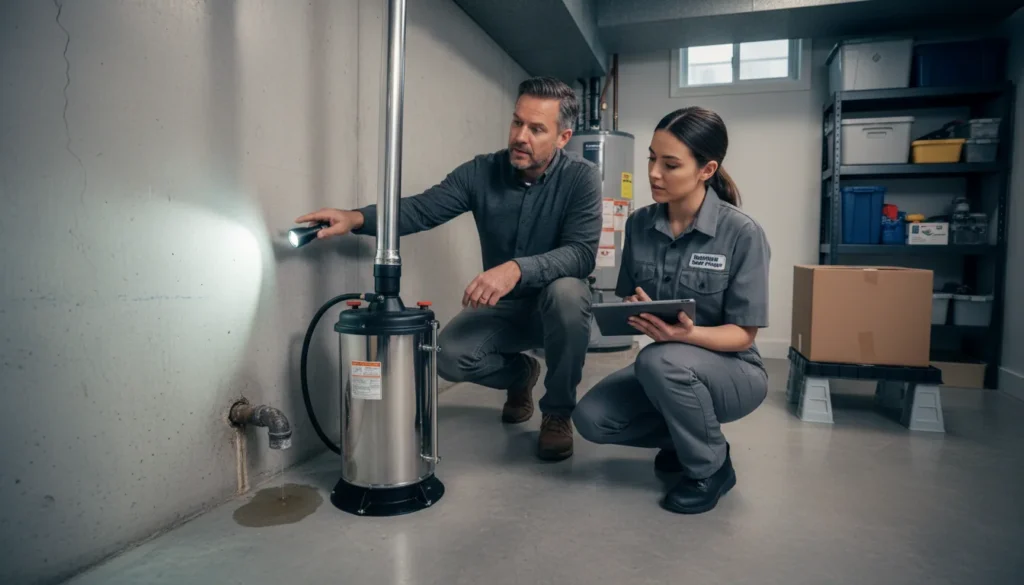
In Naperville, Illinois, where heavy spring rains and melting snow can overwhelm drainage systems, spotting basement flooding risks early is crucial for homeowners. Start by inspecting your sump pump for unusual noises or failure to activate during water tests, checking exterior grading for poor slope toward downspouts, and monitoring for musty odors or efflorescence on basement walls. These proactive steps, tailored to Naperville’s clay-heavy soils and frequent downpours, can prevent costly water damage and protect your property investment.
Understanding Basement Flooding Risks in Naperville
Naperville’s location in the Fox River Valley exposes homes to unique flooding challenges. The area’s expansive clay soils retain water, leading to hydrostatic pressure buildup under foundations. Combine this with Illinois’ average annual rainfall of over 36 inches, concentrated in spring and summer thunderstorms, and basements become prime targets. According to local records from the DuPage County Stormwater Management, flooding events have risen 20% in the last decade due to urban development increasing impervious surfaces.
Early detection isn’t just about avoiding immediate water intrusion; it’s about preventing long-term structural damage like mold growth, foundation cracks, and wood rot. Homeowners who catch risks early save thousands in repairs. For Naperville properties built in the 1980s-2000s boom, older sump systems are particularly vulnerable without regular maintenance.
Common Causes of Basement Flooding
Several factors contribute to basement flooding in Naperville:
- Hydrostatic Pressure: Water saturates soil around the foundation, pushing it inward through cracks or seams.
- Gutter and Downspout Issues: Clogged gutters direct roof water toward the house.
- Sump Pump Failure: The most common culprit, especially battery backups that degrade over time.
- Foundation Cracks: Hairline fractures widen with freeze-thaw cycles common in Illinois winters.
- High Water Table: Naperville’s DuPage River proximity raises groundwater levels seasonally.
Understanding these helps prioritize inspections. For instance, if your home is near the DuPage River or in subdivisions like White Eagle, groundwater fluctuations demand extra vigilance.
Visual Signs to Spot Early
Walk your Naperville property after rain to catch visual cues:
- Puddling Near Foundation: Water pooling within 5-10 feet signals grading problems. Ideal slope is 6 inches drop over 10 feet away from the house.
- Efflorescence: White, powdery salt deposits on concrete walls indicate moisture wicking through.
- Cracks in Walls or Floor: Horizontal cracks over 1/8 inch wide are red flags for pressure buildup.
- Warped Drywall or Peeling Paint: Early humidity signs before visible water.
- Mold Spots: Black or green patches, often with a musty smell.
Photograph these for records and compare seasonally. In Naperville’s variable climate, what looks minor in summer can escalate by winter.
Auditory and Performance Indicators
Listen closely during storms:
- Sump Pump Struggling: Continuous running or humming without discharging water means overload or impeller issues.
- Gurgling Drains: Sewer backups from overwhelmed systems.
- No Activation: Test by pouring water into the sump pit; it should activate within seconds.
For advanced checks, consider sump pump performance testing, which simulates heavy rain to verify reliability.
Exterior Inspection Checklist for Naperville Homes
Naperville’s lush lawns hide drainage woes. Perform this quarterly:
| Area | What to Check | Action if Issue Found |
|---|---|---|
| Grading | Slope away from house | Regrade or add soil |
| Downspouts | Extend 5+ feet from foundation | Install extensions |
| Gutters | Clear of debris | Clean and seal |
| Window Wells | Drainage gravel present | Add covers or liners |
| Foundation | Cracks sealed | Apply sealant or call pros |
Local tip: Naperville’s leaf-heavy fall requires gutter checks before November frosts.
Interior Red Flags You Can’t Ignore
Inside, humidity over 60% (use a hygrometer) signals trouble. Damp spots on floors after rain, rusty nails in baseboards, or buckling baseboards precede floods. Check for sump pump overflow prevention needs, like alarms for high water levels.
In finished basements common in Naperville’s upscale neighborhoods like Cress Creek, carpet tack strips lifting subtly indicate subfloor moisture.
Naperville-Specific Flooding Insights
Properties near the DuPage River or in low-lying areas like the historic district face higher risks during flash floods. The city’s 2023 stormwater report highlights 15% more incidents in older subdivisions. If your home is in expanding areas like Romeoville adjacent zones, similar soil issues apply.
Winter ice dams exacerbate spring melts, pushing water down exterior walls. Naperville’s building codes require sump pumps in new construction, but retrofits lag in pre-2000 homes.
Proactive Testing and Maintenance Tips
Monthly sump pump tests: Fill the pit and time discharge. Check battery backups yearly; they last 3-5 years. Install water alarms ($20-50) in pits and near walls.
For comprehensive evaluation, a basement waterproofing consultation identifies hidden vulnerabilities. Monitor via smart apps for WiFi-enabled pumps.
Advanced Prevention Strategies
Beyond basics:
- Install French drains or curtain drains exteriorly.
- Upgrade to dual sump pumps with battery backup.
- Seal cracks with hydraulic cement or epoxy injections.
- Consider interior perimeter drains for high-risk homes.
In Naperville, where permits are needed for major work, consult local codes. When replacement is due, explore sump pump replacement options for energy-efficient models.
Insurance note: Document inspections for claims; Naperville’s standard policies cover sudden floods but not gradual seepage.
Long-Term Monitoring Plan
Create a seasonal checklist:
- Spring: Post-thaw grading and crack checks.
- Summer: Gutter cleans after storms.
- Fall: Leaf removal and pump tests.
- Winter: Battery and insulation inspections.
Track rainfall via apps like Weather Underground for Naperville-specific alerts. This regimen reduces risks by 80%, per industry studies.
Empower yourself with knowledge from Naperville Sump Pump Pros at (630) 348-9189. Early action safeguards your home’s value in this vibrant community.
Leave a Reply