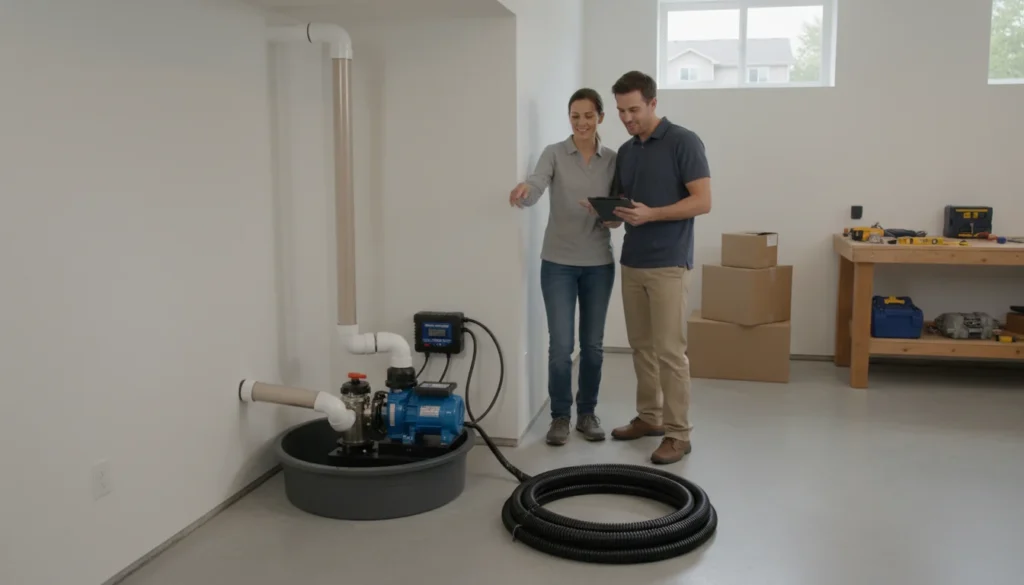
Installing a sump pump in your Naperville home is a crucial step to protect against basement flooding from heavy Illinois rains and spring thaws. With the area’s clay-heavy soil and frequent downpours, proper installation ensures water is efficiently pumped away, safeguarding your property and belongings. This ultimate guide walks Naperville homeowners through every detail, from choosing the right pump to local permitting requirements, empowering you to tackle the project confidently or know when to call experts like Naperville Sump Pump Pros at (630) 348-9189.
Understanding Sump Pumps and Their Importance
Sump pumps are essential devices installed in a sump basin in your basement or crawlspace. They activate automatically when water levels rise, pumping it out through a discharge pipe to a safe location away from your foundation. In Naperville, where groundwater levels can fluctuate dramatically due to the DuPage River proximity and suburban drainage challenges, a reliable sump pump prevents costly water damage, mold growth, and structural issues.
Without one, heavy storms—like those common in the Midwest—can overwhelm your home’s natural drainage, leading to flooded basements. According to local data, Naperville experiences over 40 inches of annual rainfall, making sump pump installation not just recommended but often necessary for homeowner peace of mind.
Why Naperville Homeowners Need Sump Pumps
Naperville’s unique geography plays a big role. Sitting in a region with high water tables and expansive clay soils that retain moisture, homes here are prone to hydrostatic pressure buildup. This pressure forces water through foundation cracks and walls. For more on how we serve the Naperville community, including tailored solutions, check our service area details.
Local factors include:
- Proximity to the DuPage River, increasing flood risks during peak seasons.
- Suburban development that alters natural drainage patterns.
- Freeze-thaw cycles that exacerbate foundation vulnerabilities.
Installing a sump pump mitigates these risks, potentially saving thousands in repairs.
Types of Sump Pumps: Choosing the Right One for Your Home
There are three main types: submersible, pedestal, and battery backup models. Submersible pumps sit underwater in the sump pit, offering quiet operation and longevity. Pedestal pumps have the motor above the water, making them easier to service. For specialized needs, explore our pedestal sump pump services.
| Type | Pros | Cons | Best For |
|---|---|---|---|
| Submersible | Quiet, durable, high capacity | Harder to access for repairs | Deep basements |
| Pedestal | Easy maintenance, affordable | Noisier, less powerful | Shallow sumps |
| Battery Backup | Works during power outages | Higher cost, needs battery checks | Storm-prone areas like Naperville |
Select based on your basement depth, pump horsepower (1/3 to 1/2 HP for most homes), and vertical lift requirements—typically 10-20 feet in Naperville.
Tools and Materials Required for Installation
Gather these before starting:
- Digging tools: Post-hole digger, shovel, reciprocating saw for concrete cutting.
- Piping: PVC discharge pipe (1.5-2 inch diameter), check valve, flexible connector.
- Electrical: GFCI outlet, conduit, wire nuts.
- Pump kit: Sump basin (18-24 inch diameter), pump, lid.
- Sealants: Hydraulic cement, silicone caulk.
Budget $200-500 for materials, excluding the pump ($150-400). Safety gear like gloves, goggles, and a dust mask is non-negotiable.
Step-by-Step Sump Pump Installation Guide
Step 1: Planning and Preparation
Choose a location at the lowest point of your basement, away from foot traffic. Check local Naperville building codes via the city’s website or call 630-420-6080 for permits—often required for electrical work. Test soil percolation by digging a test pit.
Step 2: Excavating the Sump Pit
Mark a 24-inch diameter circle on the floor. Use a concrete saw to cut and remove a 2-foot deep section. Dig out gravel base for drainage, sloping outward. Line with liner or gravel filter.
Step 3: Installing the Pump and Basin
Place the basin in the hole, level it. Set the pump inside per manufacturer instructions. Connect the discharge pipe vertically, then horizontally to exterior, ensuring it extends 10+ feet from the foundation. Install a check valve to prevent backflow.
Step 4: Electrical Wiring
Run conduit from pump to a dedicated GFCI circuit. Use waterproof connections. Test with a multimeter before powering on.
Step 5: Sealing and Testing
Patch the floor with hydraulic cement. Seal gaps. Pour water into the pit to test float switch activation and discharge. Monitor for 24 hours.
This process typically takes 4-8 hours for DIYers. Detailed diagrams are available in pump manuals.
Naperville-Specific Installation Considerations
Local clay soil requires extra gravel backfill to prevent clogging. During wet seasons (April-June), time installs before rains. Nearby areas like Oswego and Romeoville face similar issues, so regional insights apply broadly.
Winter prep: Insulate pipes to avoid freezing. Comply with Naperville’s stormwater management ordinances.
Common Mistakes to Avoid During Installation
Don’t undersize the pump—calculate based on basin inflow (use 1 gallon per minute per 100 sq ft). Avoid discharging near neighbors; extend pipes downhill. Skip cheap check valves that fail quickly. Never bypass GFCI protection.
- Improper pit sealing leads to odors.
- Forgetting alarms for overflow risks.
- Poor pipe routing causes backups.
Post-Installation Maintenance and Troubleshooting
Quarterly checks: Clean pit, test pump, inspect floats. Replace batteries yearly in backups. For sump pump overflow prevention, add alarms and backups.
Troubleshoot: If not starting, check power/float. Clogs? Snake the pipe. Persistent issues? Professional diagnosis prevents escalation.
When to Hire Professionals in Naperville
DIY suits handy homeowners, but call pros for complex basements, electrical uncertainties, or repairs. Naperville Sump Pump Pros specializes in primary service like sump pump repair Naperville IL, ensuring code compliance and warranties.
Benefits include faster installs, insurance-covered work, and peace of mind.
Leave a Reply