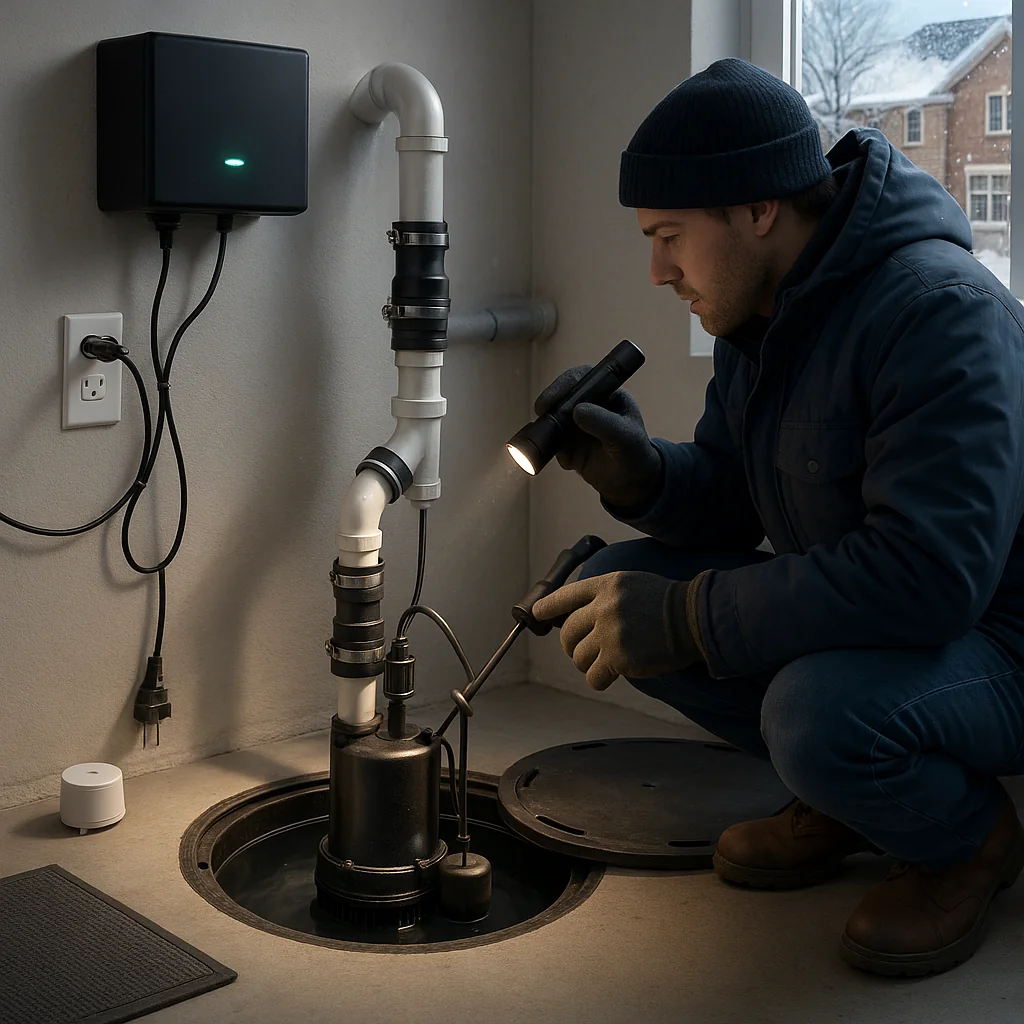
As freezing temperatures grip Naperville, IL, your sump pump becomes your home’s first line of defense against basement floods from heavy snowmelt and ice dams. Proper winter maintenance can prevent costly water damage—start with a full inspection, clean the pit thoroughly, test the pump and backup power, and insulate pipes to avoid freezing. Local experts at Naperville Sump Pump Pros recommend these steps tailored to our DuPage County winters.
Why Winter Sump Pump Maintenance is Critical in Naperville
Naperville experiences some of the Midwest’s most brutal winters, with average January lows dipping to 17°F and heavy snowfall accumulating up to 36 inches annually. This leads to rapid snowmelt from thaws, overwhelming drainage systems and pushing groundwater levels sky-high. Without vigilant sump pump care, frozen components or power failures can result in flooded basements, mold growth, and structural damage costing thousands.
In Naperville, where homes often sit on clay-heavy soils that retain water, sump pumps work overtime. Neglect during winter invites disasters, especially during freeze-thaw cycles common along the DuPage River. Proactive maintenance ensures reliability when storms hit hardest.
Step-by-Step Pre-Winter Sump Pump Inspection
Begin your maintenance routine in late fall, before the first hard freeze. A thorough inspection reveals issues early, avoiding emergency calls to submersible sump pump repair services.
1. Visual Check of the Pump and Pit
- Remove debris like leaves, dirt, or sediment from the sump pit using a shop vac or gloved hands.
- Inspect the pump float switch for smooth operation— it should rise and fall freely without sticking.
- Look for cracks, corrosion, or unusual wear on the impeller and housing.
Cleaning prevents clogs that reduce efficiency by up to 50%.
2. Test the Primary Pump
Fill the sump pit with water using a hose until the pump activates. It should turn on within seconds, pump water out forcefully through the discharge pipe, and shut off cleanly. Listen for grinding noises indicating impeller damage. Repeat 3-5 times to confirm consistency.
3. Battery Backup System Verification
Power outages are frequent in Naperville during blizzards. Test your backup pump by unplugging the primary unit. Replace batteries every 2-3 years or if the indicator light shows low charge. For pedestal systems, ensure the backup is fully charged and operational.
Winter-Specific Protection Strategies
Freezing is the arch-nemesis of sump systems. Implement these targeted protections:
Insulate Exposed Pipes and Components
Wrap discharge lines, check valves, and the pump itself with foam pipe insulation or heat tape. In Naperville homes near flood-prone areas like the Green Brook, this prevents ice blockages that cause backups.
- Use UL-listed heat tape plugged into a GFCI outlet.
- Secure insulation with zip ties to withstand vibrations.
Prevent Freezing in the Sump Pit
Install a sump pit cover with ventilation holes to allow gases to escape while retaining heat. For extra protection, add a small pit heater or de-icer, but monitor for electrical safety.
Check Valve Maintenance
The check valve stops backflow. Inspect and clean it annually; replace if it leaks or sticks. A faulty valve can reduce pump life by forcing constant restarts.
Monthly Winter Monitoring Routine
Don’t set it and forget it—perform quick checks every 4 weeks:
| Task | Frequency | Tips |
|---|---|---|
| Pit Cleaning | Monthly | Remove sludge to maintain water level sensors. |
| Pump Test | Monthly | Simulate water inflow; time activation. |
| Battery Check | Monthly | Verify charge and connections. |
| Discharge Line Flush | Bi-monthly | Run hose to clear sediment buildup. |
This table outlines a simple schedule adaptable to Naperville’s variable weather.
Common Winter Sump Pump Failures and Fixes
Even with maintenance, issues arise. Here’s how to troubleshoot:
- Pump Won’t Start: Check power, float switch, or tripped breaker. Frozen floats need thawing.
- Short Cycling: Indicates check valve failure or air leaks—consider sump pump replacement if persistent.
- Noisy Operation: Debris or worn bearings; clean first, then repair.
- Backup Failure: Test under load; replace batteries immediately if weak.
For complex problems, contact professionals serving Romeoville and surrounding areas too.
Enhancing Your System for Naperville Winters
Upgrade for peace of mind:
- Add a water alarm sensor in the pit for early alerts via app.
- Install a second backup pump for dual redundancy.
- Consider Wi-Fi enabled pumps for remote monitoring during vacations.
These features are invaluable during Nor’easters or polar vortex events hitting our region.
Local Insights: Naperville Flood Risks
Proximity to the DuPage River and poor grading in older subdivisions like Naperville North amplify risks. The city’s 2023 flood events saw over 200 basements impacted—many due to sump failures. Pair maintenance with French drains or grading improvements for comprehensive protection.
Stay informed via Naperville’s flood alerts and ensure your discharge points away from foundations per local codes.
DIY vs. Professional Maintenance
While basic tasks are DIY-friendly, pros handle electrical, submersible units, or warranty work. In Naperville, certified technicians ensure compliance with Illinois plumbing codes. Schedule annual servicing to extend pump life beyond 7-10 years.
For emergencies, call Naperville Sump Pump Pros at (630) 348-9189.
Conclusion
Diligent winter sump pump maintenance safeguards your Naperville home from floods. Follow these tips for a dry basement all season.
Leave a Reply