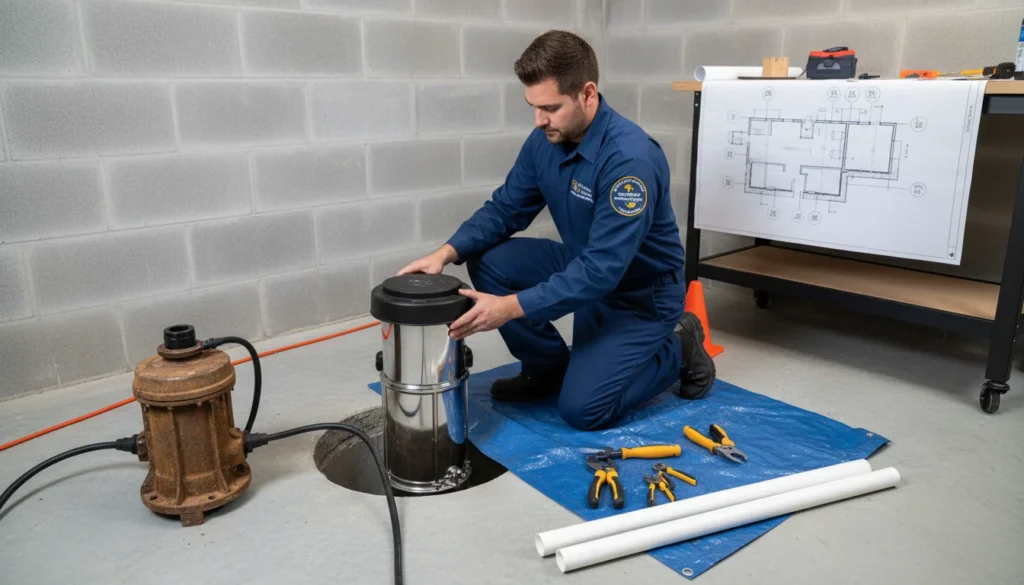
If you’re a homeowner or business owner in DuPage County, particularly in Naperville, IL, facing frequent basement water issues, it’s time to consider sump pump replacement. A failing sump pump can lead to costly flooding, especially during Illinois’ heavy spring rains or sudden downpours. This comprehensive guide covers everything from recognizing failure signs to selecting the best pump and hiring pros like Naperville Sump Pump Pros for seamless installation tailored to local soil and climate conditions.
Understanding Sump Pumps and Why Replacement Matters in DuPage County
Sump pumps are essential for homes and businesses in areas like Naperville, where clay-heavy soils and high water tables in DuPage County increase flood risks. These devices collect water in a sump basin and pump it away from your foundation. Over time, wear from constant use, power failures, or clogs demands replacement to protect your property.
In Naperville, with its proximity to the DuPage River, reliable sump systems prevent water damage that could cost thousands. Regular checks are vital, but when replacement is needed, opting for modern, efficient models ensures long-term protection.
Signs Your Sump Pump Needs Replacement
Spotting issues early saves headaches. Common indicators include:
- Continuous running: A pump that never stops signals a failing motor or check valve.
- Unusual noises: Grinding or humming points to mechanical wear.
- Water backup: Overflowing sump pit during rain means insufficient power.
- Frequent cycling: Short on/off cycles wear out components faster.
- Age factor: Most pumps last 7-10 years; older ones are prone to failure.
For Naperville properties, test your system annually. Consider our sump pump performance testing to diagnose problems before they escalate.
Types of Sump Pumps: Pedestal vs. Submersible
Choosing the right type depends on your basement setup. Here’s a comparison:
| Type | Pros | Cons | Best For |
|---|---|---|---|
| Pedestal | Affordable, easy access for repairs | Noisier, visible motor | Shallow sumps, budgets |
| Submersible | Quiet, powerful, sealed motor | Costlier, harder to service | Deep basins, heavy water |
| Battery Backup | Works during outages | Requires maintenance | Storm-prone areas like DuPage |
Submersibles dominate in Naperville due to their durability against local groundwater pressures.
Factors to Consider When Selecting a Sump Pump
Don’t just pick the cheapest option. Evaluate:
- Horsepower: 1/3 HP for average homes; 1/2 HP+ for businesses.
- Capacity: Measured in gallons per hour (GPH) at head height.
- Material: Cast iron for longevity.
- Features: Alarm systems, vertical float switches.
- Warranty: Aim for 3-5 years.
For DuPage County homes near Naperville, prioritize pumps with high head pressure to discharge water far from foundations.
Cost of Sump Pump Replacement in Naperville, IL
Expect $800-$2,500 for residential replacements, factoring labor ($300-$800), pump ($400-$1,200), and extras like battery backups ($500+). Businesses may pay more for larger systems. Local factors like access and permits in DuPage add $200-500. Get quotes from trusted locals like Naperville Sump Pump Pros at (630) 348-9189.
Step-by-Step Sump Pump Replacement Process
Professional replacement ensures safety and code compliance. Here’s what to expect:
- Assessment: Inspect pit, discharge lines, and electrical.
- Removal: Disconnect power, drain pit, extract old unit.
- Pit Prep: Clean, check liner integrity.
- Install New Pump: Position, connect check valve, wiring.
- Testing: Simulate water flow, verify discharge.
- Cleanup: Restore area, provide maintenance guide.
Our sump pump replacement service minimizes downtime, crucial for Naperville businesses.
DIY Sump Pump Replacement: Pros, Cons, and When to Avoid
DIY appeals for cost savings, but risks abound:
- Pros: Save $500+ labor, quick for handy folks.
- Cons: Electrical hazards, improper sizing, voided warranties.
In DuPage, with strict codes, pros handle permits and ensure proper venting. Skip DIY if unsure—call experts.
Maintenance After Replacement for Longevity
Post-install, quarterly checks prevent failures:
- Test float switch manually.
- Clean pit debris.
- Inspect discharge pipe quarterly.
- Replace battery yearly.
- Monitor during rains.
Pair with basement waterproofing consultation for comprehensive protection.
Local Insights: Sump Pumps in DuPage County and Nearby Areas
DuPage’s expansive clay soils retain water, stressing pumps. Naperville’s zoning requires discharges to storm sewers or yards safely. Nearby Oswego faces similar issues from the Fox River. During 2023 floods, updated pumps saved many properties. Illinois winters freeze lines—insulate them.
Flood insurance via NFIP covers sump failures if maintained. DuPage County building codes mandate GFCI outlets for pumps.
Common Mistakes to Avoid During Replacement
Avoid undersized pumps, ignoring backups, or poor discharge routing, which causes re-entry. Always elevate alarms and use check valves.
Future-Proofing Your Sump System
Upgrade to smart pumps with Wi-Fi alerts or dual systems for redundancy. In business settings, integrate with building management.
For Naperville Sump Pump Pros, we specialize in these upgrades, ensuring your investment lasts.
Leave a Reply